


Why Practical Training Still Beats Online-Only Fitness Courses

You can watch a squat video on your phone. You cannot feel whether your cue landed, whether the room understood you, or whether a new member is about to compensate into an injury. That is why CSF’s fitness, coaching and yoga courses are classroom-based face to face with practical sessions, plus e-learning for the parts that belong on a screen.
Coaching is a live skill
Certificate III and IV in Fitness require you to screen, assess, plan and instruct. Those units are not passed by remembering definitions. They are passed when another human moves better because of what you said and how you stood. The same is true of sport coaching and of teaching a yoga class. Online-only study can teach the framework. It cannot give you a room.
What “practical” means at CSF
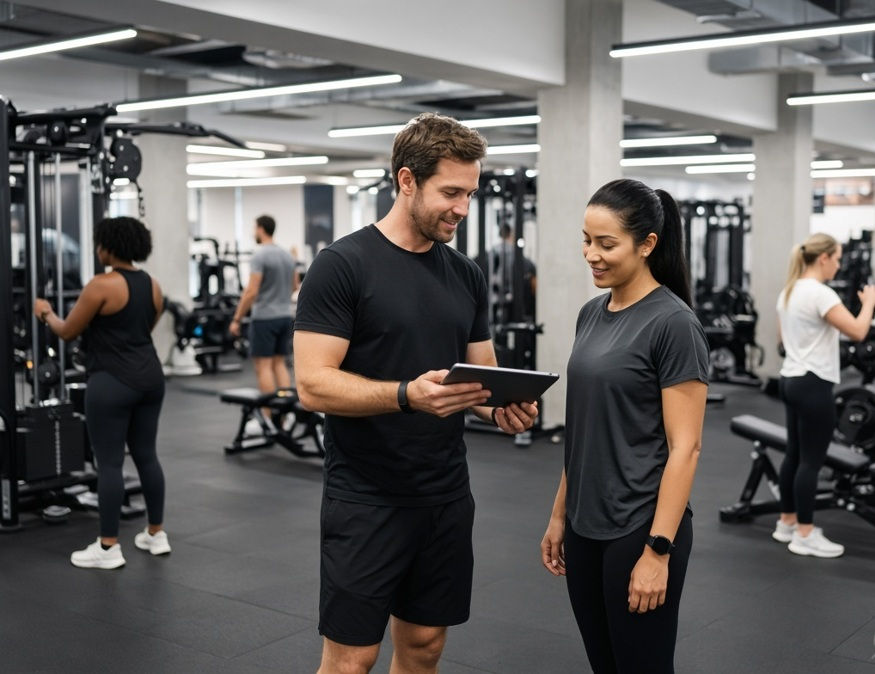
You practise the conversation at reception. You run a group session with classmates who will tell you if the music, the transitions or the modifications failed. You take feedback from trainers who have done the job. E-learning covers theory and revision so classroom time is not wasted on slides you could have read at home.
What employers notice
Hiring managers do not ask how many hours you spent in a learning management system. They ask you to take a member through a movement. Graduates who have only ever performed for a webcam hesitate. Graduates who have been corrected in a room do not.
Online courses have a place for people who already work in a gym and need a theory top-up. If you are new to the industry, or you are an international student who needs a CRICOS provider, face-to-face practical training is the product - not an extra.
See delivery mode on each course page at www.csf.edu.au. Enquire about the next intake: info@csf.edu.au / 02 9267 4768.


Comments